Transform Your Home with Professional Parquet Floor Sanding
Parquet flooring is one of the most beautiful and characterful choices you can have in a home or commercial space. Those intricate blocks and classic herringbone or chevron patterns add instant elegance – but when parquet is worn, scratched, loose or dulled by old varnish, it can make the whole room feel tired.
That’s where professional parquet floor sanding and restoration comes in. With the right equipment, products and experience, you can bring your parquet back to life without replacing it – often at a fraction of the cost of a new floor.
In this guide, we’ll walk you through how the team at Floor Sanding Services approach parquet floor sanding, what to expect from the process, and how to keep your floor looking perfect for years to come.

Why Parquet Floors Need Special Care
Parquet is very different from wide planks or straight boards. Each block is a small piece of solid wood, laid in a pattern over a subfloor. That brings a few extra challenges:
- More joints and edges – plenty of places for dirt, old finish and cleaning residues to collect.
- Movement over time – individual blocks can become loose, hollow or uneven.
- Pattern visibility – over-aggressive sanding can flatten the pattern and round off edges, spoiling the crisp, geometric look.
- Historic value – many parquet floors are original features that deserve careful, sympathetic restoration instead of quick fixes.
Because of this, parquet really benefits from a dedicated parquet floor sanding service rather than a generic “one-size-fits-all” approach. Our technicians are trained to respect the pattern, work with the grain in each block, and remove only as much wood as the floor truly needs.
Signs Your Parquet Floor Needs Sanding and Restoration
Not sure whether it’s time to restore your parquet? Look out for these common signs:
- Dull, patchy or yellowed finish – old lacquer and varnish often discolours and loses its sheen.
- Visible scratches and scuffs – especially in doorways, hallways and around furniture.
- Grey or black traffic lanes – where dirt and moisture have penetrated through worn finish.
- Loose or rocking blocks – you can feel them move slightly underfoot.
- Gaps between blocks – especially in older floors or where the room has seen temperature changes.
- Water staining or cup marks – from plant pots, pets or small leaks.
- Old stain you no longer like – perhaps you want to go from orange/yellow to a cooler, contemporary tone.
If you’re seeing any of the above, a carefully planned parquet floor restoration will usually transform the whole room – without the mess and cost of ripping everything out.

Our Professional Parquet Floor Sanding & Restoration Process
Every floor is different, but our approach at floor-sanding-services.org follows a proven sequence to ensure perfect, predictable results.
1. Survey and Honest Assessment
We start with a detailed survey of your floor:
- Checking for loose or missing blocks
- Assessing previous finishes and coatings
- Identifying repairs, levelling or wood floor repairs that may be needed
- Discussing your preferred colour and sheen (matt, satin or gloss)
From there, we provide a clear quote and explain what’s possible. In many cases, even the most tired parquet can be fully revived.
2. Preparation, Repairs and Gap Filling
Before sanding begins, we prepare the floor so you get a flawless result:
- Carefully lifting and re-bonding any loose parquet blocks
- Replacing missing or badly damaged pieces with matching timber where possible
- Checking thresholds and transitions to adjoining rooms
- Carrying out any necessary gap filling to reduce draughts and stop dirt collecting between blocks
On parquet, gap filling is often done with a flexible resin and fine sanding dust from your own floor, so the colour match is as natural as possible.
3. Dust-Free Parquet Floor Sanding
We only use high-quality, professional machines designed for fine parquet work. This ensures:
- A level, even surface without dips or waves
- Minimal removal of the top layer – crucial for older floors
- Excellent dust control via powerful extraction
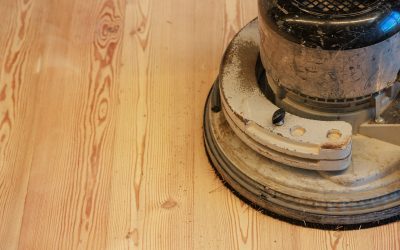
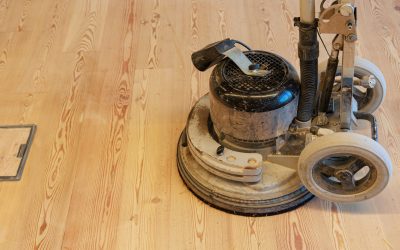
The main parquet area is sanded with a belt or multi-disc sander, carefully following the pattern and grain. Edges and corners are worked by hand or with specialist edging sanders to maintain crisp lines.
At this stage we typically remove old finishes, surface stains, light cupping and shallow scratches, revealing clean, bare wood ready for refinishing.
4. Fine Sanding and Detailing
Once the heavy sanding is complete, we move into finer grits to:
- Refine the surface
- Remove any swirl marks or minor sanding lines
- Sharpen the pattern so the herringbone, chevron or basketweave really stands out
This detailing work is what separates true parquet floor sanding specialists from basic sanding services. It’s slower, but it’s essential for a high-end result.
5. Staining, Sealing and Finishing
With the parquet sanded beautifully smooth, you can either keep the natural colour or choose to change the tone with a stain.
We can advise on wood floor staining and finishing options to suit your room, furniture and light levels – from Scandinavian-style pale woods to rich, dark tones for a more traditional look.
Common finishing options for parquet include:
- Water-based lacquer – hard-wearing, low odour, available in matt, satin or gloss. Ideal for busy homes and commercial spaces.
- Hardwax oil – gives a warm, natural look with good durability and the ability to spot-repair small areas.
- Traditional oil – enhances the grain beautifully and can be topped up over time for a lived-in character.
We apply multiple coats, with light de-nibbing between coats where required, to ensure a smooth, durable finish that’s easy to live with and simple to clean.
6. Final Inspection and Aftercare Advice
Before we sign off, we carry out a final inspection with you:
- Checking the overall finish, edges and corners
- Making sure thresholds and trims are neat and secure
- Advising when you can walk on the floor, replace furniture and roll out rugs
You’ll also receive straightforward aftercare advice and product recommendations to protect your investment.

Parquet Floor Restoration vs Replacement
Homeowners sometimes assume that a tired parquet floor has to be ripped out and replaced. In reality, parquet floor restoration is almost always the smarter choice:
- More cost-effective – restoration usually costs significantly less than supplying and fitting a new quality wood floor.
- Less disruption – sanding and finishing is much faster than demolition, waste removal and reinstallation.
- More sustainable – you’re preserving existing timber and avoiding sending solid wood to landfill.
- Keeps original character – especially important in period properties where parquet is a key architectural feature.
Only in cases of extreme water damage, very heavy structural movement or poor previous alterations do we recommend full replacement. Even then, we can often salvage and relay original blocks where possible.
Common Parquet Problems We Fix
Because we work on parquet floors across many different properties and settings, we’re used to solving a wide range of issues, including:
Loose, Hollow or Noisy Blocks
Loose parquet blocks can creak, rock underfoot or sound hollow when tapped. Left alone, they may crack or break. We carefully lift affected pieces, clean the subfloor and re-bond them with modern adhesives for a long-lasting repair.
Missing Sections and Poor Past Repairs
Sometimes parquet has been cut away to run pipes, install hearths or add sockets. We can source matching timber and pattern, then feather new blocks into the existing layout so repairs are as discreet as possible.
Deep Scratches and Pet Damage
With professional parquet floor sanding, many deep scratches, chair marks and pet damage can be removed. Where gouges are too deep, we can replace individual blocks or use specialist fillers and colour-matching techniques.
Water Staining and Sun Fading
Water from plant pots, leaks or mopping can leave dark patches, while strong sunlight can bleach sections of the floor. Sanding usually evens this out, and we can then apply UV-resistant finishes to reduce future fading.

How Parquet Floor Sanding Compares to Other Wood Floor Services
At floor-sanding-services.org, we specialise in a full range of wood floor care, including:
- Wood floor sanding – for straight plank floors in oak, pine and other timbers.
- Commercial floor sanding – for schools, hotels, offices, sports halls and more.
- Stair sanding and refinishing – restoring treads, risers and landings.
- Wood floor repairs – tackling broken boards, subfloor issues and localised damage.
Parquet sits at the more intricate end of this spectrum. The principles are similar, but the detail and care required are greater. That’s why it’s important to choose a team with proven experience in both parquet floor sanding and pattern restoration rather than a general tradesperson with a hired machine.
Looking After Your Restored Parquet Floor
Once your parquet has been restored, a few simple habits will help keep it looking perfect for longer:
1. Give It Time to Cure
Even when finishes are dry to the touch, they continue to harden over several days:
- Avoid dragging heavy furniture straight away. Lift and place items carefully.
- Wait before laying rugs – your technician will advise how long, depending on the product used.
2. Use the Right Cleaning Routine
Stick to a simple, gentle routine:
- Sweep or vacuum with a soft brush attachment to remove grit.
- Damp mop only – never use a soaking wet mop.
- Use a pH-neutral wood floor cleaner recommended for your specific finish.
- Avoid steam mops and harsh detergents which can dull or damage the finish.
3. Protect High-Traffic and Risk Areas
- Place doormats at entrances to trap grit and moisture.
- Fit felt pads under chair and furniture legs.
- Use protective mats under office chairs with castors.
- Wipe up spills promptly to avoid staining.
4. Plan for Light Maintenance
A good finish will last many years, but all floors show wear eventually. The big advantage of professional parquet floor restoration is that you can usually refresh the finish without a full resand:
- Light buffing and recoating in high-traffic areas can extend the life of the floor.
- Localised wood floor repairs can tackle accidental damage before it spreads.

Why Choose floor-sanding-services.org for Parquet Floor Sanding?
There are plenty of reasons homeowners and businesses trust us with their parquet:
- Specialist expertise – we work on parquet floors every week, from modest hallways to grand reception rooms.
- Dedicated equipment – professional dust-extraction systems and parquet-capable sanding machines for a cleaner, finer finish.
- Tailored solutions – every floor is assessed individually; we don’t force one product or process on every job.
- Transparent pricing – clear quotes with no hidden extras, and honest guidance on what is (and isn’t) possible.
- Complete service – from initial repairs and gap filling through to staining, finishing and aftercare advice.
Most importantly, we treat each parquet floor as if it were our own: carefully, respectfully and with an eye for detail.
Parquet Floor Sanding and Restoration for Perfect Results – Get Started
If your parquet floor looks tired, scratched or simply past its best, don’t assume you need to replace it. With professional parquet floor sanding and restoration, you can:
- Reveal the original beauty of the timber
- Sharpen the pattern so it becomes a real feature again
- Improve durability and ease of cleaning
- Add value and character to your home or commercial space
To find out what’s possible for your floor, contact the team at floor-sanding-services.org today. Whether you need parquet floor sanding, full parquet floor restoration, or other services such as wood floor sanding or commercial floor sanding, we’ll be happy to advise, provide a clear quotation and help you achieve truly perfect results.